
Assessment for English Language Learners

This section addresses the critical questions of how to properly assess and place English language learners (ELLs) at the school-wide and classroom level.
To see our other topics related to assessment, visit the following sections:
Featured Articles
- Using Informal Assessments for English Language Learners
- Technology Review: Ellevation Software
- No Child Left Behind and the Assessment of English Language Learners
Blog Posts
- Three Strategies for Equitable Assessment of ELLs
- A Deeper Look at Smarter Balanced’s Assessment Supports for ELLs
- Administrators in Action: Four Steps for Strengthening Your EL Program
Related Video
Assessment of English Language Learners
How assessments vary among subject areas

Having trouble with the way questions are worded

Why drawing conclusions is hard for ELLs

Assessment Accommodations for ELLs

Assessment

Assessment

Assessment

A new approach to assessment

Reading assessment

Informal assessment

Authentic assessment

Lessons Learned: Classroom Assessments

ELL assessment and the Common Core

Preschool for ELLs: Language Learning and Assessment
Writing a paragraph with high school ELLs
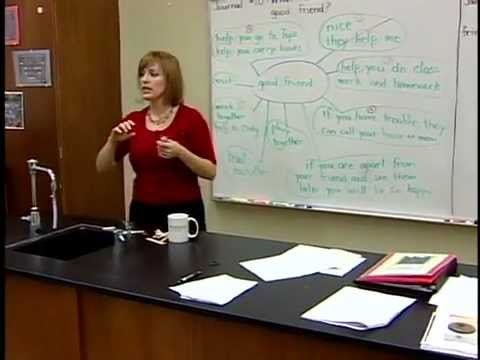
ELL assessment validity

Diane August - Assessments

ELLs and Assessment

Dr. Cynthia Lundgren: Assessment and Accountability for ELLs

Assessment & ELLs

Books and Booklists
Research and Reports
- Developing Kindergarten Readiness and Other Large-Scale Assessment Systems
- Accommodations for English Language Learner Students: The Effect of Linguistic Modification of Math Test Item Sets
- New Measures of English Language Proficiency and Their Relationship to Performance on Large-Scale Content Assessments
- Language Accommodations for English Language Learners in Large-Scale Assessments
- Improving Assessment and Accountability for ELLs in the No Child Left Behind Act


Related Resource

Most Popular




ELL News
- Mister Rogers: Now on YouTubeThe New York Times| June 05, 2026
- Immigrant Student Enrollment Is Falling. How Should Schools Respond?| June 05, 2026
- This school district has received death threats for standing up for immigrants. It’s not backing down The Hechinger Report| June 05, 2026
- With AI now reading student names at graduation, not everyone is applaudingThe Washington Post| June 05, 2026