ELL Policy & Research

There are a number of laws and guidelines related to the education of English language learners (ELLs) at the federal, state, and local level. This section includes an overview of those laws, as well as topics such as important court cases impacting ELLs and current issues in the news today. For additional information, see Advocacy & Leadership.
Serving Multilingual Learners: Laws, Policies, and Regulations
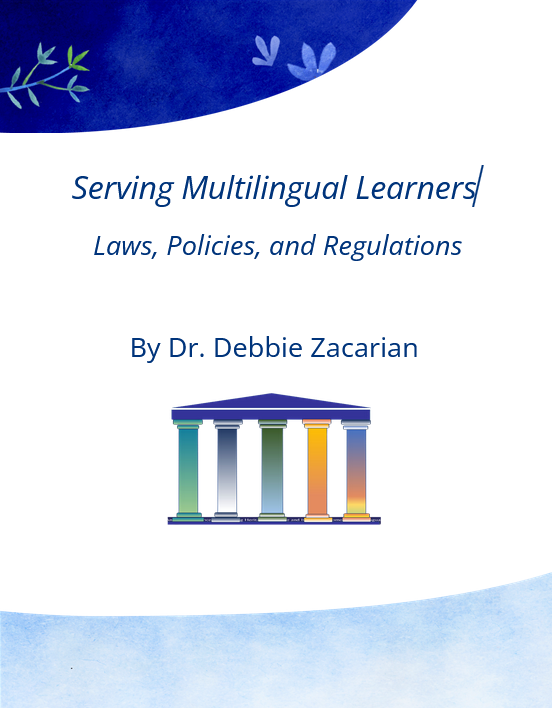 Serving Multilingual Learners: Laws, Policies, and Regulations is an updated guide from Colorín Colorado that provides an accessible summary of federal laws governing multilingual learners' education. This guide is also available in a PDF version for download and printing.

What You'll Find in This Section

The education of English language learners (ELLs) is impacted by policies at the federal, state, and local level. For more information about the federal laws and guidelines, see our page on the Every Student Succeeds Act. For information about state policies, see our state resources section.
ELL Laws & Regulations

The articles in this section guide local educators and leaders through the process of creating appropriate language policies for their students. In addition, the section includes policy recommendations related to the creation of those documents and procedures.
Language Policy at the Local Level

This section provides an overview of landmark court cases regarding English language learners (ELLs) at the state and federal level, as well as related discussion topics.
Important ELL Court Cases

When studying policy and English language learners (ELLs), it is helpful to start with some background information about the history of U.S. language policy. The following resources summarize key pieces of legislation, historical issues, and Landmark Court Cases regarding language policy.
Language Policy: History and Contemporary Views

In recent years, many schools have seen numbers of English language learners increase dramatically. In addition, new waves of refugees, the arrival of unaccompanied youth from Central America, and changes in the laws that impact undocumented students have had a significant impact on schools.
Learn more about what these changes mean for schools and teachers below.
Immigration and Schools
The following articles provide perspectives meant to inform policy discussions around the education English language learners (ELLs). They are written for a general audience and we encourage you to chime in using our comment boxes after each article!

The following recommendations from researchers, policymakers, and educators address some of the changes that these experts hope to see across the ELL field in the future.