Literacy Instruction for ELLs
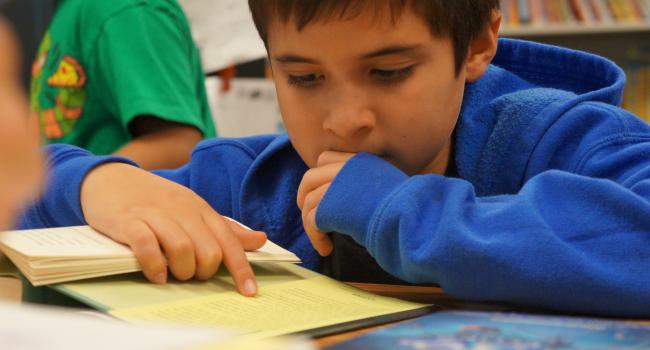
English Language Learners (ELLs) can have a wide variety of needs in their reading and writing instruction. Some students may read and write fluently in their native language while others will enter the classroom with little or no prior literacy instruction. This resource section covers many topics, including grade-level strategies and ideas for teaching more advanced reading and writing skills such as those required by the Common Core State Standards. With the right supports and opportunities for engagement, ELLs can become successful, life-long readers as seen in this section.

What You'll Find in This Section

Providing a solid foundation for literacy is critical for young children who are already bilingual or are learning a second language. These resources provide guidance on how to build that foundation as well as guidance on using a child's native language as part of their literacy development.
Early Literacy Instruction

English language learners (ELLs) in early elementary school are learning to read at the same time as their other classmates. Nevertheless, they still may need some extra help making the connection between their native language and English or focusing on specific sounds and letter combinations. These articles provide explicit guidance, as well as age-appropriate tips for instruction.
Reading Instruction in Grades 1-3

For English language learners (ELLs) in upper grades, reading needs may vary greatly. Some students will read fluently in their native language, while others may come in with very limited literacy skills and will require creative approaches for teachers and literacy coaches. These resources include ideas for creating a safe, comfortable setting where adolescent ELLs can begin to catch up and increase confidence over time. For additional ideas, visit our sister site about adolescent literacy, AdLit.org.
Reading Instruction in Grades 4-12
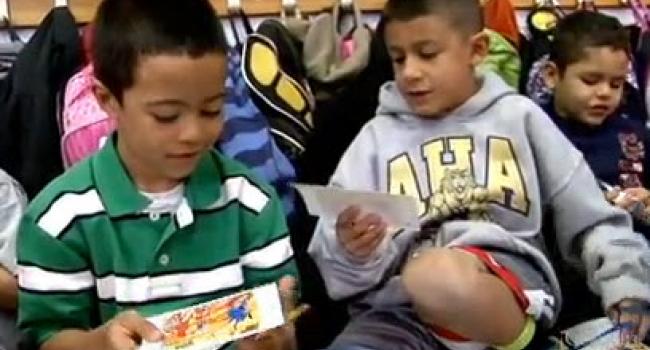
Comprehension is the reason for reading, but it can be the most difficult skill to master — especially for English language learners (ELLs). ELLs at all levels of English proficiency and literacy development will benefit from improved comprehension skills. These resources, strategies, and videos offer ideas such as comprehension checks with questions at different proficiency levels and acting out scenes from a story.
Helping ELLs Comprehend What They Read

Giving English language learners (ELLs) the tools they need to develop close reading skills is an important step in helping them access more challenging grade-level texts (such as those aligned with the Common Core State Standards). These resources focus on using strategies such as questioning and using evidence from the text with ELLs.
Close Reading Skills with ELLs

Being able to understand non-fiction text (also called informational text) is critical for academic success, especially as students get older. Teachers can help prepare English language learners (ELLs) to successfully work with non-fiction text in many ways — and the earlier the better. This resource section offers ideas and strategies for helping students get started.
Reading Non-fiction Text with ELLs
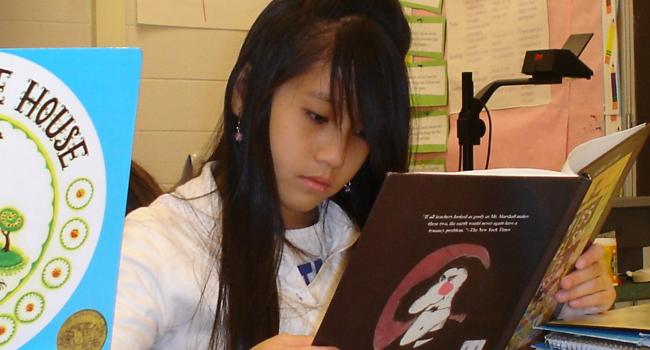
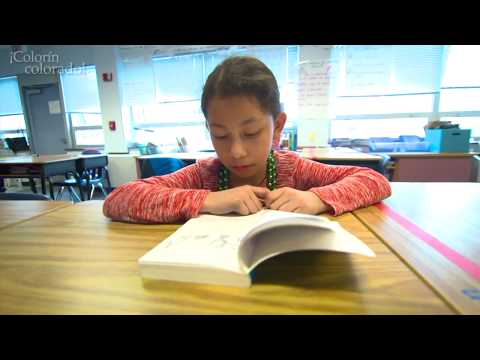
How can educators, librarians, and parents help students become life-long readers? These veteran educators use a number of strategies to bring books alive for their students. Most importantly, they provide students with constant exposure to books of all kinds throughout the year. Learn their secrets below!
Reading Engagement
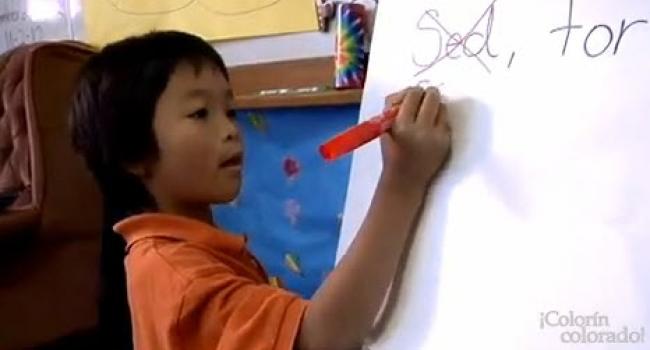
What does it take to help English language learners (ELLs) become successful writers? This section offers a number of ideas and resources from veteran educators and researchers for students of all ages and proficiency levels. For examples of student writing projects, see our Student Voices section.