
Reading Instruction in Grades 4-12

For English language learners (ELLs) in upper grades, reading needs may vary greatly. Some students will read fluently in their native language, while others may come in with very limited literacy skills and will require creative approaches for teachers and literacy coaches. These resources include ideas for creating a safe, comfortable setting where adolescent ELLs can begin to catch up and increase confidence over time. For additional ideas, visit our sister site about adolescent literacy, AdLit.org.
Featured Articles
- Phonics Instruction for Middle and High School ELLs
- Reading 101 for English Language Learners
- ELLs and Reading Fluency in English
- Frankie: A Man of His Word
- Tips for Educators of ELLs: Teaching Vocabulary in Grades 4-12
Blog Posts
- An Innovative High School CCSS Lesson for ELLs: Letters from John Smith
- Creating Text-Dependent Questions for ELLs: Examples for 6th-8th Grade (Part 3)
- Text-Dependent Questions for ELLs (Part 1)
- Picture Books to Help ELLs Access Common Core Anchor Reading Standards
- ELA/Literacy Tools on AchievetheCore.org: Resources That Can Support ELLs in the Classroom
Related Video
Instruction of key academic vocabulary with high school ELLs
The PRESS-In model: Keeping reading instruction in the classroom
Helping Destiny Find a "Just Right" Book
Benchmarks for native speakers aren’t appropriate for ELLs
Reading at the advanced level
Reading instruction for ELLs at an intermediate level
Considerations when choosing text for ELLs
Reading instruction for beginner ELLs
Having trouble with the way questions are worded
Native Language and ELLs' Literacy Development
Reading Basics with Fifth-Grade Newcomers
The textbook challenge
Supporting struggling readers in high school
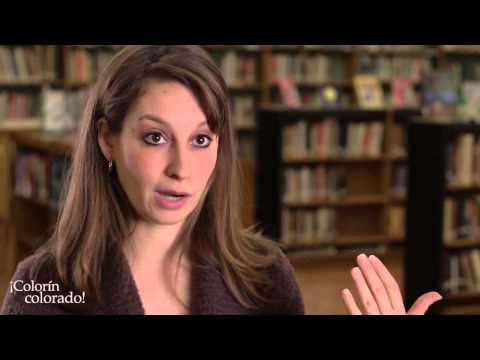
'The Story of an Hour': Student engagement and the Common Core
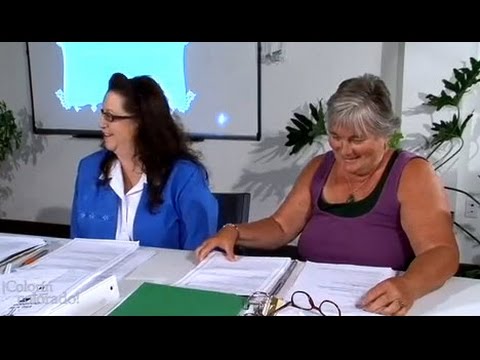
Textbook preview
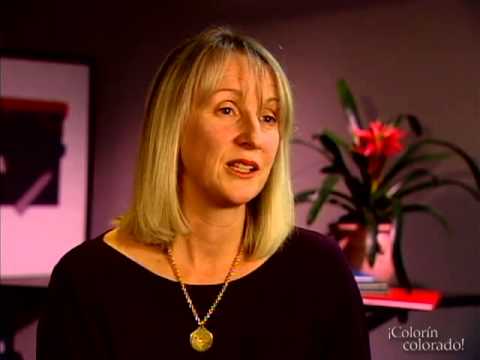
Learning about genre
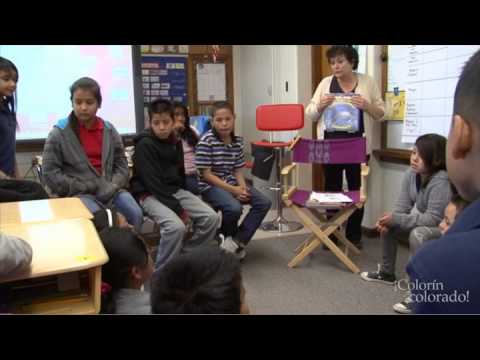
Higher-level questions: Thinking about magic
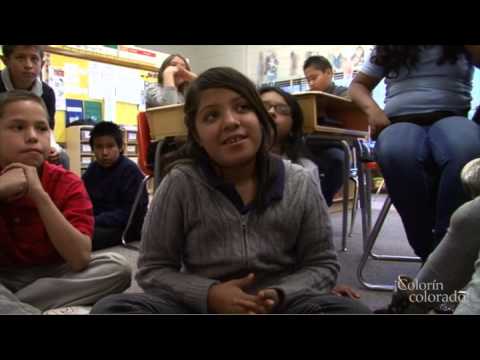
Answering guiding questions with middle school ELLs
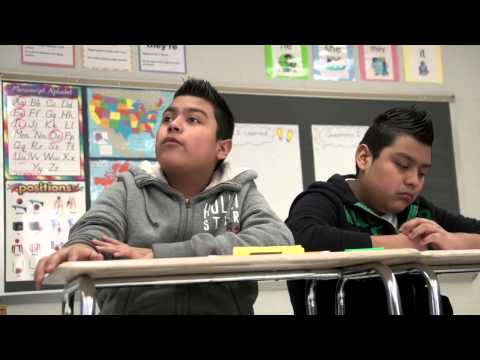
Reading non-fiction text with high school ELLs
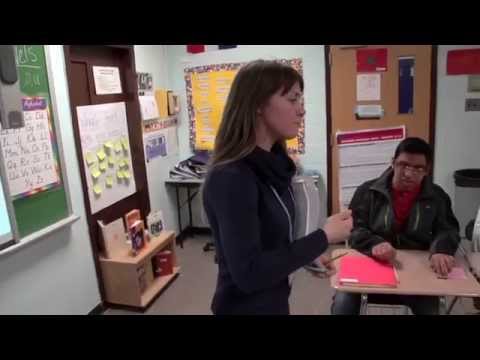
Making connections: Creating an active & engaged reader
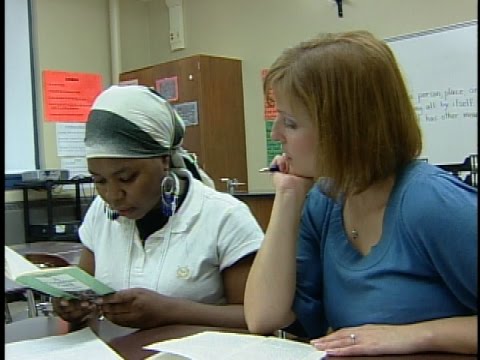
Introducing different versions of "Cinderella"
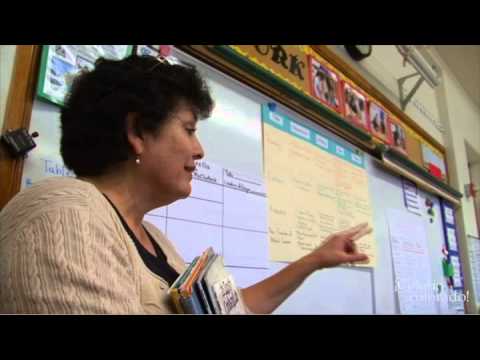
Reading at the right level: The five-finger rule
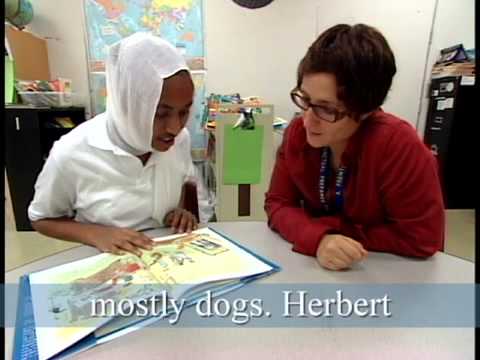
Bobbi Houtchens: Teaching Writing to High School ELLs (Part 3 of 4)
Bobbi Houtchens: Helping Teens Become Readers (Part 2 of 4)
Books and Booklists

Guides and Toolkits
Research and Reports
- Teaching English Language Learners: What the Research Does — and Does Not — Say
- Teaching Literacy in English to K-5 English Learners
- The Relation Between First- and Second-Language Skills: Evidence from Puerto Rican Elementary School Children in Bilingual Programs
- Urgent but Overlooked: The Literacy Crisis Among Adolescent English Language Learners
- What Does Research Tell Us About Teaching Reading to English Language Learners?

Most Popular



ELL News
- Study: Shared Book Reading Boosts English-Learners' Language SkillsEducation Week| August 24, 2018
- Newcomers at Buffalo Public School #6 participate in UB literacy program WBFO | May 16, 2018